I'm Taneli.
I created
Snake.
In 1997 I designed and programmed the Snake game that shipped on the Nokia 6110. This is my own site: the story in my words, the full history of the game, and the projects I follow today — including OGSnake.world.
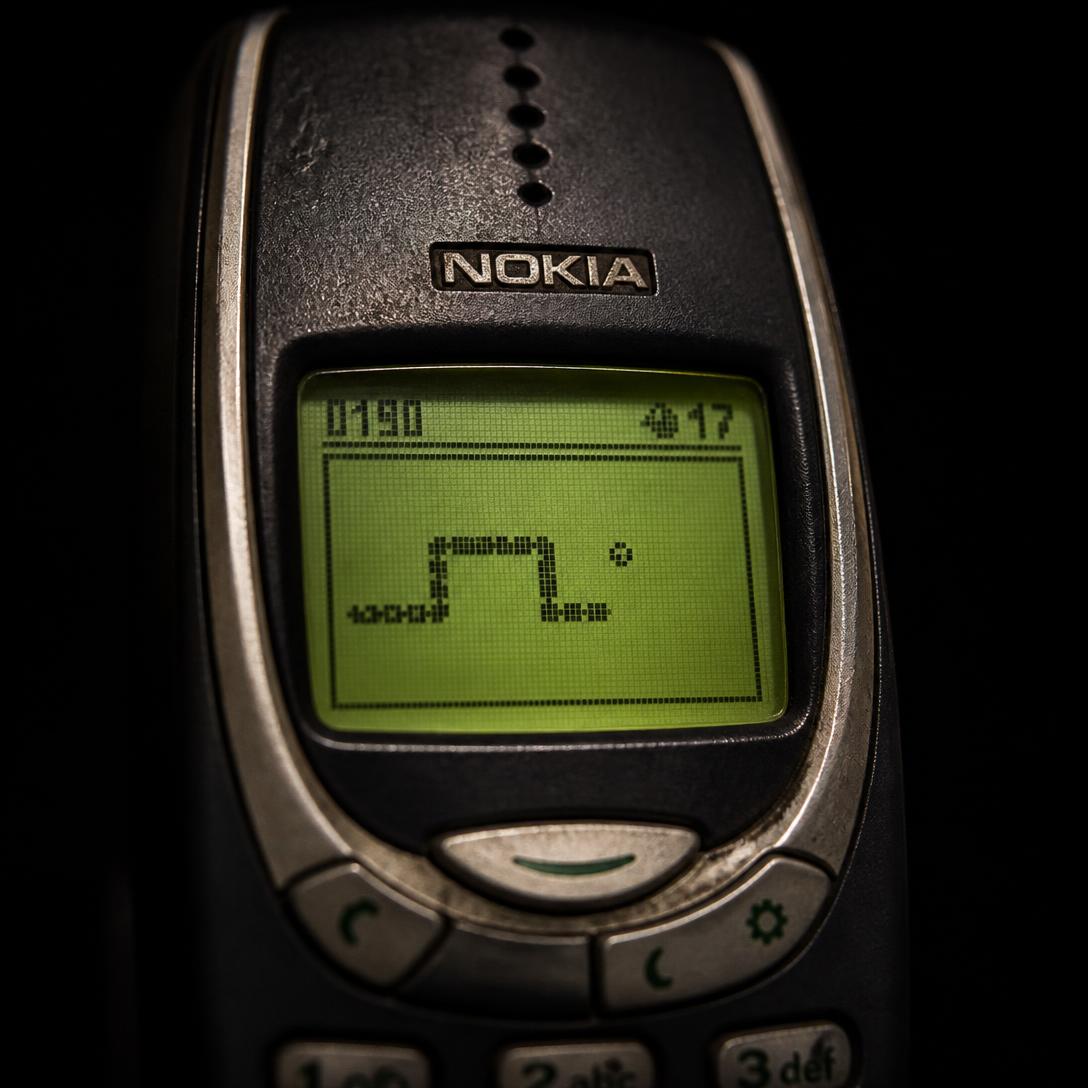
The phone I built Snake for
In my own words
I talk you through everything
No script, no press office: me on camera explaining how Snake came together on the Nokia 6110, what the constraints really were, and where I think the game goes next.
Taneli Armanto • Recorded for this site
My Milestones
- Before 1997 / Early career
An engineer, not a game studio
I trained and worked as an engineer in Finland's telecommunications industry. Snake did not come out of a games company: it came out of my handset development work, where every kilobyte of memory and every pixel of a monochrome display had to be justified.
- 1990s / Nokia
Inside Nokia Mobile Phones
I worked at Nokia during the years the company became the world's dominant handset maker. The software we shipped on those phones was tiny by modern standards — built to run in a few kilobytes of RAM on a display of roughly 84x48 pixels.
- 1997 / Creation of Snake
Snake ships on the Nokia 6110
I designed and programmed the version of Snake that shipped preinstalled on the Nokia 6110. The concept traces back to 1970s arcade games such as Blockade, but this implementation — one-thumb control, instant restart, a single high score — is the one hundreds of millions of people actually played.
It had to be simple enough for the hardware, and immediate enough to play while you waited for a bus.
- 1998 – 2005 / Worldwide success
Preinstalled on hundreds of millions of phones
As Snake shipped across the Nokia range — the 3210, 3310, 8210 and beyond — it became, by distribution, one of the most widely available video games ever made. For a whole generation it was the first game they ever played on a phone, and I am still asked about it every week.
- 2015 / Snake Rewind
The original designer returns to Snake
I returned to Snake with Snake Rewind, released for modern smartphones and published by Rumilus Design. We reworked the original idea for touchscreens while keeping the escalating-tension loop that made the 1997 version compulsive.
- Today / OGSnake.world
A modern Snake project on the web
OGSnake.world is the contemporary, browser-based Snake project I feature here as a modern continuation of the lineage. I keep any claim about the people or companies involved limited to what its official channels state publicly.
Facts I can verify
- Snake ships on the Nokia 6110
- 1997
- Pixels on the original display
- 84×48
- Phones that shipped with Snake
- 100s of millions
- Snake Rewind released
- 2015
The Future:
OGSnake
Featured project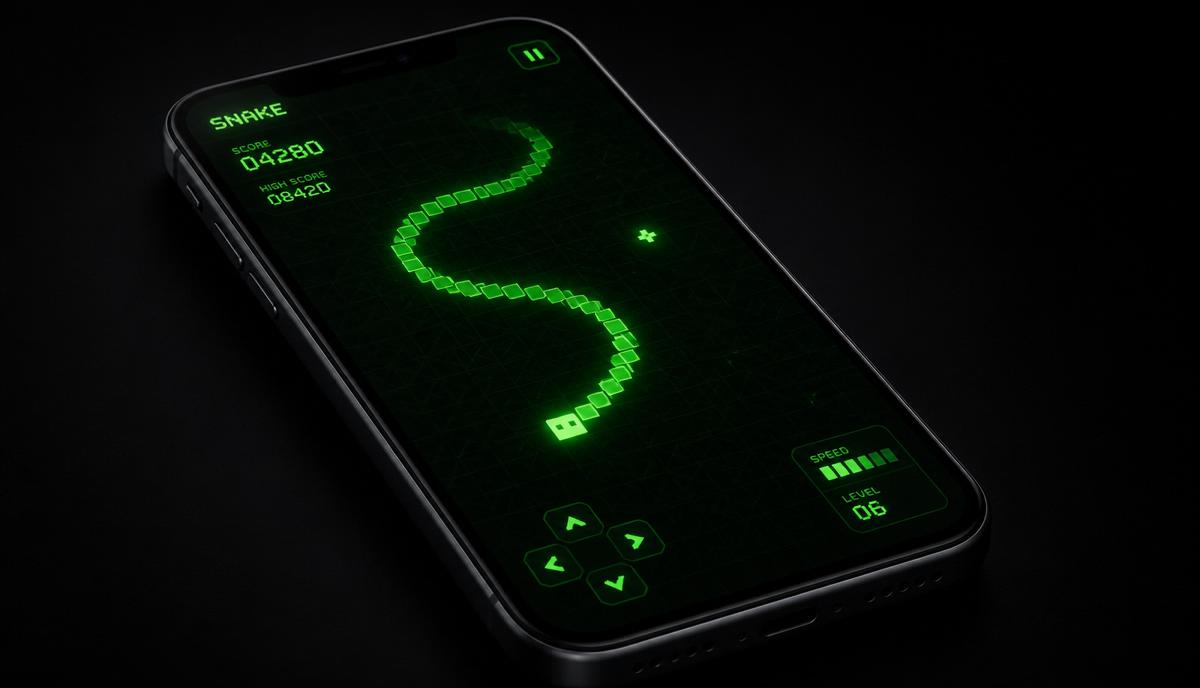
OGSnake.world is the modern, browser-based continuation of the Snake lineage I point people to: no install, no store, straight into a run. I describe its features as its official channels describe them.
Play NowProject overview, roadmap & FAQStraight answers
Questions I'm asked every week
- Who created Snake on the Nokia 6110?
- I did. I am Taneli Armanto, and as an engineer at Nokia Mobile Phones I designed and programmed the Snake game that shipped preinstalled on the Nokia 6110 in 1997.
- When was Snake released?
- My version of Snake shipped on the Nokia 6110 in 1997 and then appeared across the Nokia range, including the 3210, 3310 and 8210.
- Did you invent the Snake game?
- No — the snake-game genre dates back to Gremlin's arcade game Blockade in 1976. I created the Nokia implementation: the one-thumb, instant-restart version that hundreds of millions of people actually played.
- Why did Snake become so popular?
- It was preinstalled and free, so there was nothing to buy or install. It needed no reading, no manual and no tutorial, and a run lasted about ninety seconds — the template every hypercasual mobile game still follows.
- What is OGSnake.world?
- OGSnake.world is a modern browser-based Snake project I feature on this site as a current entry in the Snake lineage. I describe its features only as its own official channels describe them.